
Day 1: Arrival and First Impressions
Landing in Kathmandu, the capital of Nepal, I was immediately enveloped in a vibrant tapestry of colors, sounds, and smells. Tribhuvan International Airport, though modest by global standards, exudes a warmth that hints at the hospitality awaiting me. As I made my way to Thamel, the bustling tourist district, I was struck by the city’s unique blend of ancient tradition and modern hustle.
Day 2: Heritage and History
My first full day in Kathmandu was dedicated to exploring its rich heritage. I started at the iconic Swayambhunath Stupa, commonly known as the Monkey Temple. Perched atop a hill, this ancient religious complex offers panoramic views of the city. The golden spire adorned with the all-seeing eyes of Buddha is a sight to behold, and the surrounding monkeys add a playful touch to the serene atmosphere.
Next, I ventured to Durbar Square, a UNESCO World Heritage site. The square is a maze of palaces, courtyards, and temples that date back to the Malla dynasty. The Hanuman Dhoka Palace, with its intricately carved wooden windows and doors, stands as a testament to the artistic prowess of the Newar craftsmen. Wandering through the square, I felt like I had stepped back in time, surrounded by centuries-old architecture and living history.
Day 3: Spiritual Sojourns
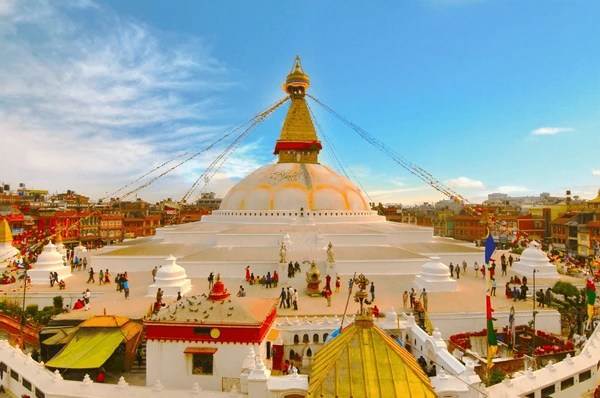
Kathmandu is not just about history; it’s also a spiritual haven. My day began with a visit to Boudhanath Stupa, one of the largest stupas in the world. The sheer scale of this monument, with its massive mandala and the all-seeing eyes of Buddha, left me in awe. Walking clockwise around the stupa, spinning the prayer wheels, and soaking in the chants of monks, I experienced a profound sense of peace.
In the afternoon, I headed to Pashupatinath Temple, Nepal’s holiest Hindu shrine. Situated on the banks of the Bagmati River, the temple complex is a vibrant blend of spiritual devotion and architectural splendor. Witnessing the evening aarti (ritual of worship) was a deeply moving experience, as the priests performed rituals accompanied by hymns and the rhythmic beating of drums.
Day 4: Adventures Beyond the City
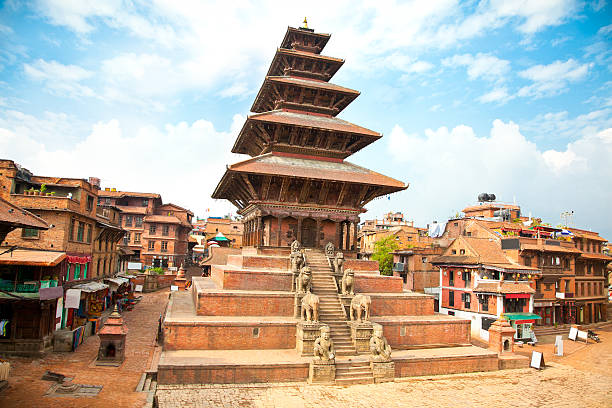
Eager to explore beyond Kathmandu, I took a short drive to Bhaktapur, another UNESCO World Heritage site. This medieval city, also known as the City of Devotees, is famed for its well-preserved architecture and rich cultural heritage. The Nyatapola Temple, a towering five-story pagoda, dominates the skyline, while the narrow alleys and courtyards offer a glimpse into the daily lives of the locals.
Day 5: A Taste of Nepal
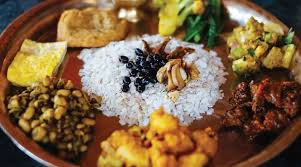
No trip to Kathmandu is complete without indulging in its culinary delights. I spent my final day sampling local delicacies, from the ubiquitous momos (dumplings) to dal bhat (lentil soup with rice). Thamel is a food lover’s paradise, with its myriad of cafes and restaurants serving everything from traditional Nepali dishes to international cuisine. I highly recommend trying the Newari feast at a local restaurant – the variety of flavors and textures is simply unforgettable.
Final Thoughts
Kathmandu is a city that captivates all your senses. Its rich history, spiritual depth, and warm hospitality make it a destination unlike any other. Whether you’re wandering through ancient temples, soaking in breathtaking views from hilltop stupas, or simply enjoying a cup of chai in a bustling market, Kathmandu offers an experience that lingers long after you’ve left.
For anyone considering a trip to this enchanting city, my advice is simple: come with an open heart and a spirit of adventure. Kathmandu will take care of the rest.
 Adventure Awaits
Leave a comment